ScribeAI Satisfies athenahealth’s Markets System to help you Encourage Techniques with Notice-Auditing AI Paperwork

Privia supplies march 3 the ability to make changed otherwise altered Notice active for medical information i curently have about yourself, and for people information i discovered later on. Privia reserves the ability to alter it Find when. The newest reinstatement function can be obtained to install and you may print on your own computers or if you could possibly get request a copy of one’s form any kind of time Privia care and attention cardio place. Delight investigate Decide-Away Consult Setting very carefully and you may follow the instructions to your function to opt away from HIE. You could install and you may printing the design on your pc or ask for a copy at any Privia care center location.

BrightStar Care of Concord, Lexington, and you can Woburn

  • Having genuine-go out transcription, automated mention age group, and based-inside chart auditing, ScribeAI support company connect coding and conformity openings before they effect money.
  • We offer a deck in regards to our writers in order to writeup on investment pretty, precisely, and you will regarding the investor’s perspective.
  • Complex AI-native software and you will prospective leverage circle study to help you clarify employment increasing your own performance and you can collections.
  • Upgrade company guidance, get meeting desires, take part individuals having online talk, and more!

Aetna Inc. and its own connected companies are maybe not responsible otherwise liable for the fresh blogs, accuracy or privacy strategies from linked internet sites, or for products or services discussed within these internet sites. Aetna is the brand name used for products offered by one or more of one’s Aetna group of companies, and Aetna Term life insurance Team and its own affiliates (Aetna). Obtain now let’s talk about expert information and raise your brand regarding the competitive medical care land Learn health care profile with your ‘9 Strategies’ book. These items and features usually are marketed due to permit plans otherwise memberships.
Coronavirus disease 2019

Coronavirus disease 2019

COVID-19 is a contagious disease caused by the coronavirus SARS-CoV-2. In January 2020, the disease spread worldwide, resulting in the COVID-19 pandemic.

The symptoms of COVID‑19 can vary but often include fever,[7] fatigue, cough, breathing difficulties, loss of smell, and loss of taste.[8][9][10] Symptoms may begin one to fourteen days after exposure to the virus. At least a third of people who are infected do not develop noticeable symptoms.[11][12] Of those who develop symptoms noticeable enough to be classified as patients, most (81%) develop mild to moderate symptoms (up to mild pneumonia), while 14% develop severe symptoms (dyspnea, hypoxia, or more than 50% lung involvement on imaging), and 5% develop critical symptoms (respiratory failure, shock, or multiorgan dysfunction).[13] Older people have a higher risk of developing severe symptoms. Some complications result in death. Some people continue to experience a range of effects (long COVID) for months or years after infection, and damage to organs has been observed.[14] Multi-year studies on the long-term effects are ongoing.[15]
COVID‑19 transmission occurs when infectious particles are breathed in or come into contact with the eyes, nose, or mouth. The risk is highest when people are in close proximity, but small airborne particles containing the virus can remain suspended in the air and travel over longer distances, particularly indoors. Transmission can also occur when people touch their eyes, nose, or mouth after touching surfaces or objects that have been contaminated by the virus. People remain contagious for up to 20 days and can spread the virus even if they do not develop symptoms.[16]

Testing methods for COVID-19 to detect the virus’s nucleic acid include real-time reverse transcription polymerase chain reaction (RT‑PCR),[17][18] transcription-mediated amplification,[17][18][19] and reverse transcription loop-mediated isothermal amplification (RT‑LAMP)[17][18] from a nasopharyngeal swab.[20]

Several COVID-19 vaccines have been approved and distributed in various countries, many of which have initiated mass vaccination campaigns. Other preventive measures include physical or social distancing, quarantining, ventilation of indoor spaces, use of face masks or coverings in public, covering coughs and sneezes, hand washing, and keeping unwashed hands away from the face. While drugs have been developed to inhibit the virus, the primary treatment is still symptomatic, managing the disease through supportive care, isolation, and experimental measures.

Coronavirus disease 2019

Coronavirus disease 2019

COVID-19 is a contagious disease caused by the coronavirus SARS-CoV-2. In January 2020, the disease spread worldwide, resulting in the COVID-19 pandemic.

The symptoms of COVID‑19 can vary but often include fever,[7] fatigue, cough, breathing difficulties, loss of smell, and loss of taste.[8][9][10] Symptoms may begin one to fourteen days after exposure to the virus. At least a third of people who are infected do not develop noticeable symptoms.[11][12] Of those who develop symptoms noticeable enough to be classified as patients, most (81%) develop mild to moderate symptoms (up to mild pneumonia), while 14% develop severe symptoms (dyspnea, hypoxia, or more than 50% lung involvement on imaging), and 5% develop critical symptoms (respiratory failure, shock, or multiorgan dysfunction).[13] Older people have a higher risk of developing severe symptoms. Some complications result in death. Some people continue to experience a range of effects (long COVID) for months or years after infection, and damage to organs has been observed.[14] Multi-year studies on the long-term effects are ongoing.[15]

COVID‑19 transmission occurs when infectious particles are breathed in or come into contact with the eyes, nose, or mouth. The risk is highest when people are in close proximity, but small airborne particles containing the virus can remain suspended in the air and travel over longer distances, particularly indoors. Transmission can also occur when people touch their eyes, nose, or mouth after touching surfaces or objects that have been contaminated by the virus. People remain contagious for up to 20 days and can spread the virus even if they do not develop symptoms.[16]

Testing methods for COVID-19 to detect the virus’s nucleic acid include real-time reverse transcription polymerase chain reaction (RT‑PCR),[17][18] transcription-mediated amplification,[17][18][19] and reverse transcription loop-mediated isothermal amplification (RT‑LAMP)[17][18] from a nasopharyngeal swab.[20]

Several COVID-19 vaccines have been approved and distributed in various countries, many of which have initiated mass vaccination campaigns. Other preventive measures include physical or social distancing, quarantining, ventilation of indoor spaces, use of face masks or coverings in public, covering coughs and sneezes, hand washing, and keeping unwashed hands away from the face. While drugs have been developed to inhibit the virus, the primary treatment is still symptomatic, managing the disease through supportive care, isolation, and experimental measures.

Coronavirus disease 2019

Coronavirus disease 2019

COVID-19 is a contagious disease caused by the coronavirus SARS-CoV-2. In January 2020, the disease spread worldwide, resulting in the COVID-19 pandemic.

The symptoms of COVID‑19 can vary but often include fever,[7] fatigue, cough, breathing difficulties, loss of smell, and loss of taste.[8][9][10] Symptoms may begin one to fourteen days after exposure to the virus. At least a third of people who are infected do not develop noticeable symptoms.[11][12] Of those who develop symptoms noticeable enough to be classified as patients, most (81%) develop mild to moderate symptoms (up to mild pneumonia), while 14% develop severe symptoms (dyspnea, hypoxia, or more than 50% lung involvement on imaging), and 5% develop critical symptoms (respiratory failure, shock, or multiorgan dysfunction).[13] Older people have a higher risk of developing severe symptoms. Some complications result in death. Some people continue to experience a range of effects (long COVID) for months or years after infection, and damage to organs has been observed.[14] Multi-year studies on the long-term effects are ongoing.[15]

COVID‑19 transmission occurs when infectious particles are breathed in or come into contact with the eyes, nose, or mouth. The risk is highest when people are in close proximity, but small airborne particles containing the virus can remain suspended in the air and travel over longer distances, particularly indoors. Transmission can also occur when people touch their eyes, nose, or mouth after touching surfaces or objects that have been contaminated by the virus. People remain contagious for up to 20 days and can spread the virus even if they do not develop symptoms.[16]

Testing methods for COVID-19 to detect the virus’s nucleic acid include real-time reverse transcription polymerase chain reaction (RT‑PCR),[17][18] transcription-mediated amplification,[17][18][19] and reverse transcription loop-mediated isothermal amplification (RT‑LAMP)[17][18] from a nasopharyngeal swab.[20]

Several COVID-19 vaccines have been approved and distributed in various countries, many of which have initiated mass vaccination campaigns. Other preventive measures include physical or social distancing, quarantining, ventilation of indoor spaces, use of face masks or coverings in public, covering coughs and sneezes, hand washing, and keeping unwashed hands away from the face. While drugs have been developed to inhibit the virus, the primary treatment is still symptomatic, managing the disease through supportive care, isolation, and experimental measures.

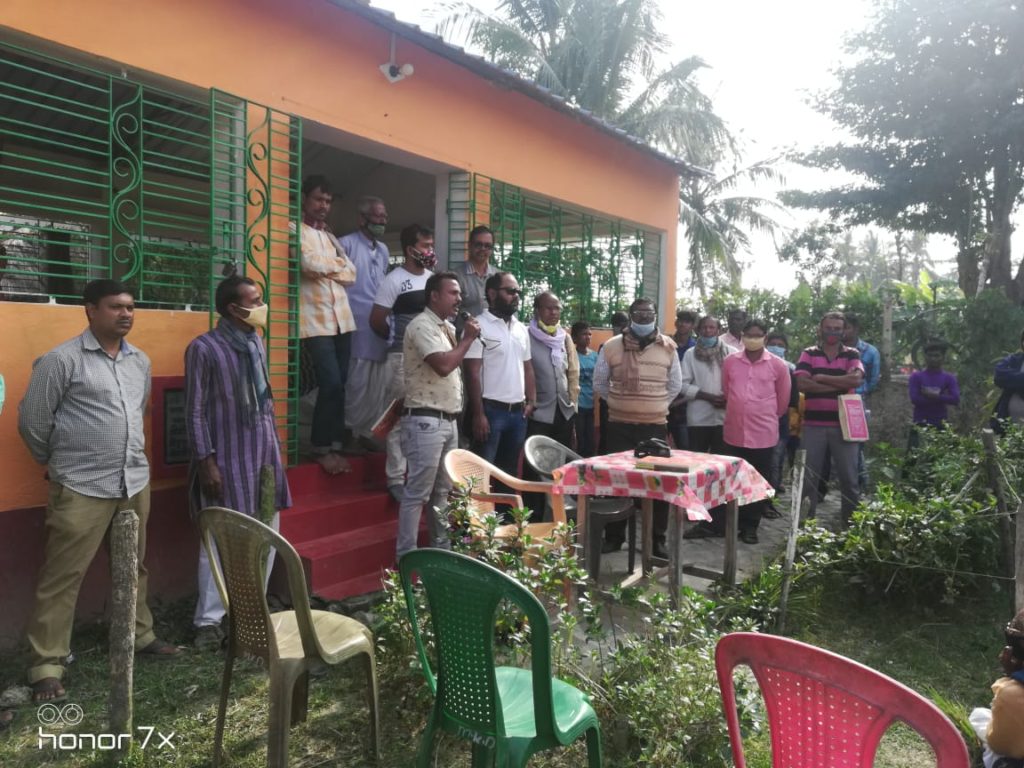
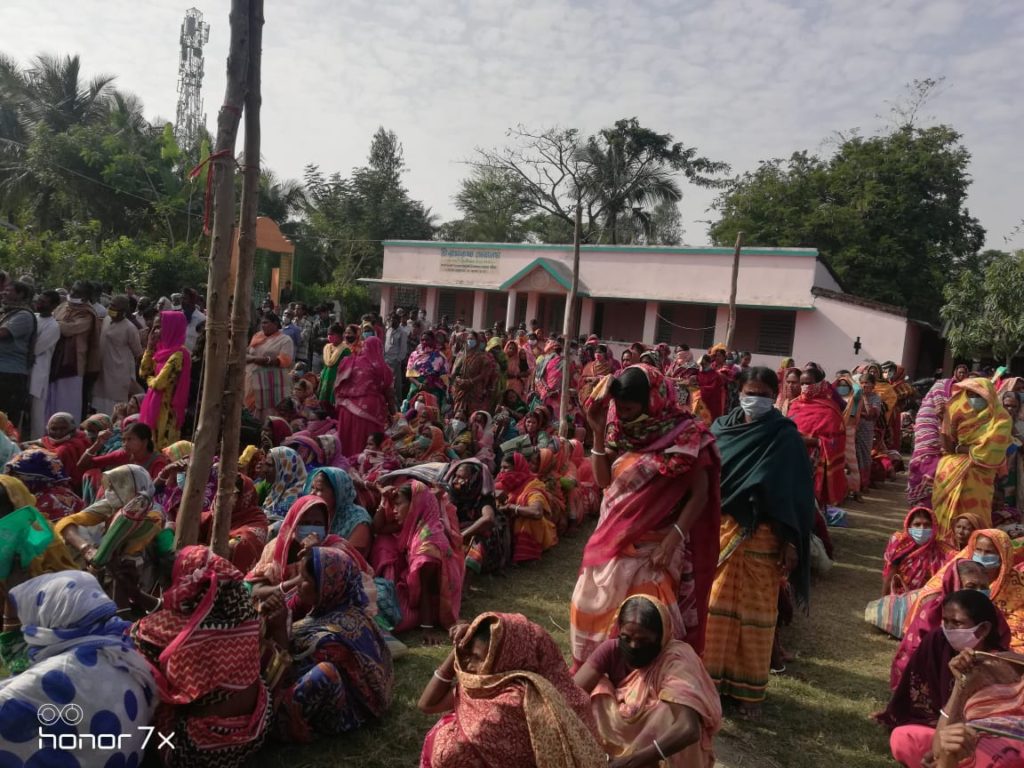
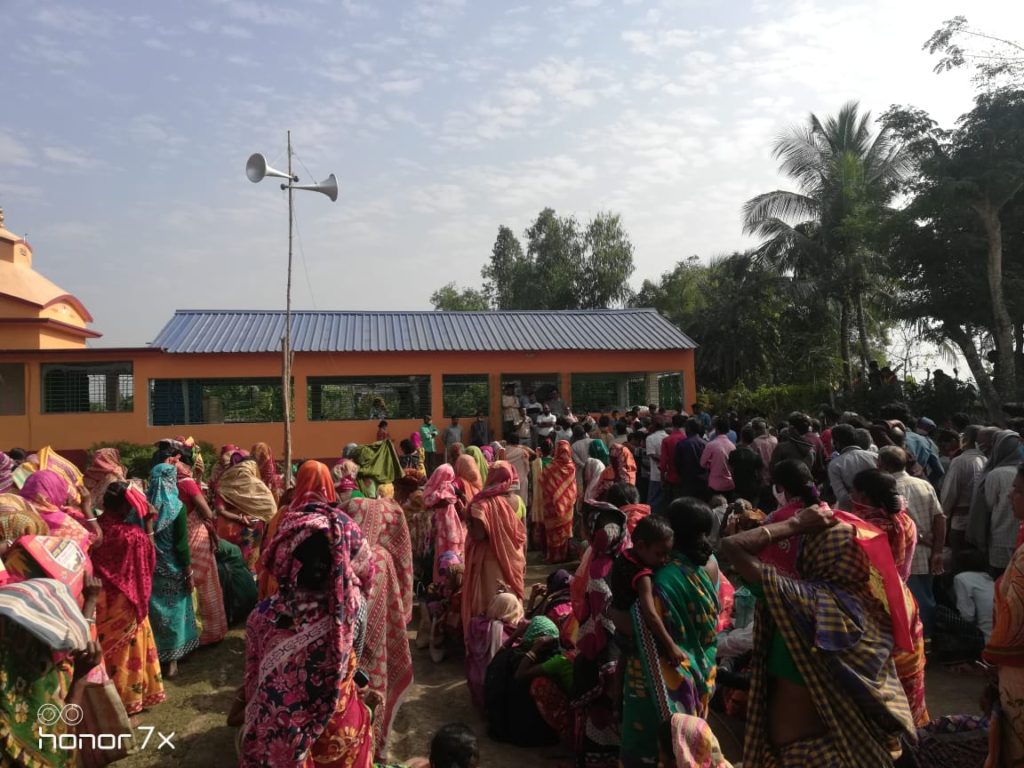
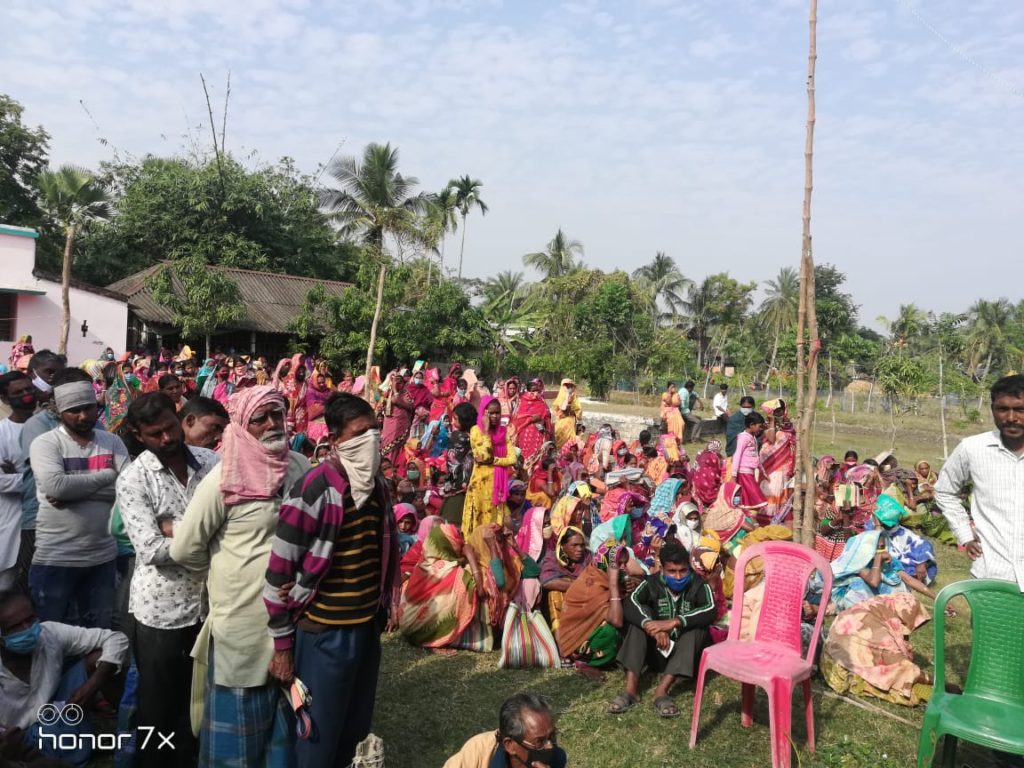
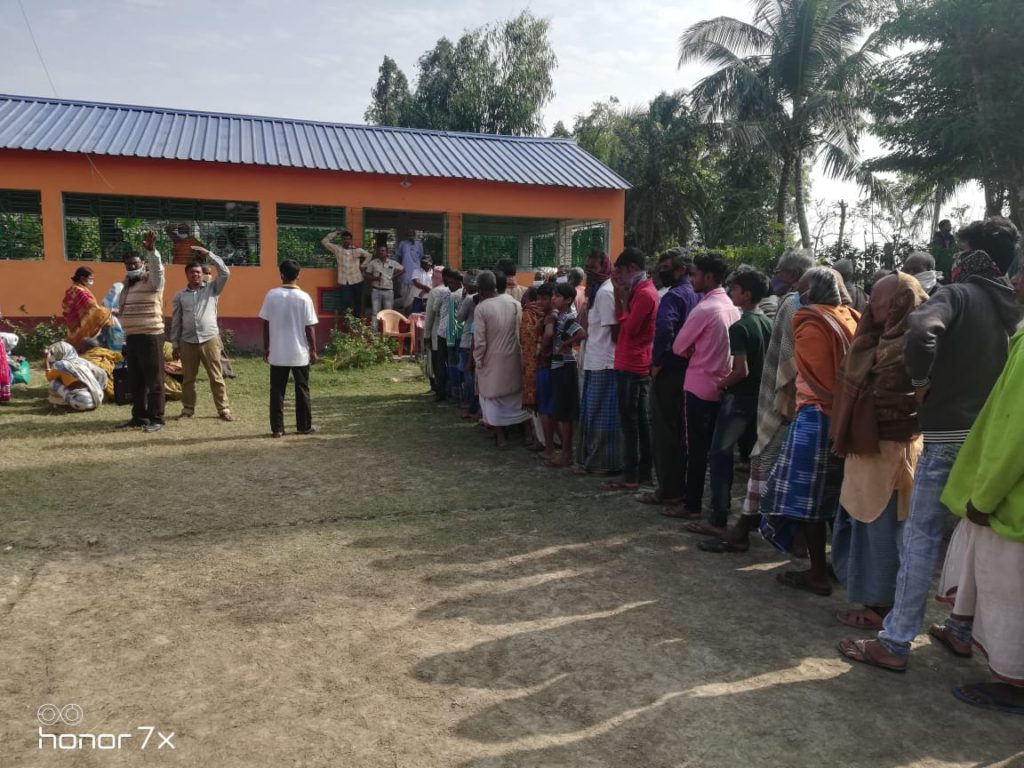
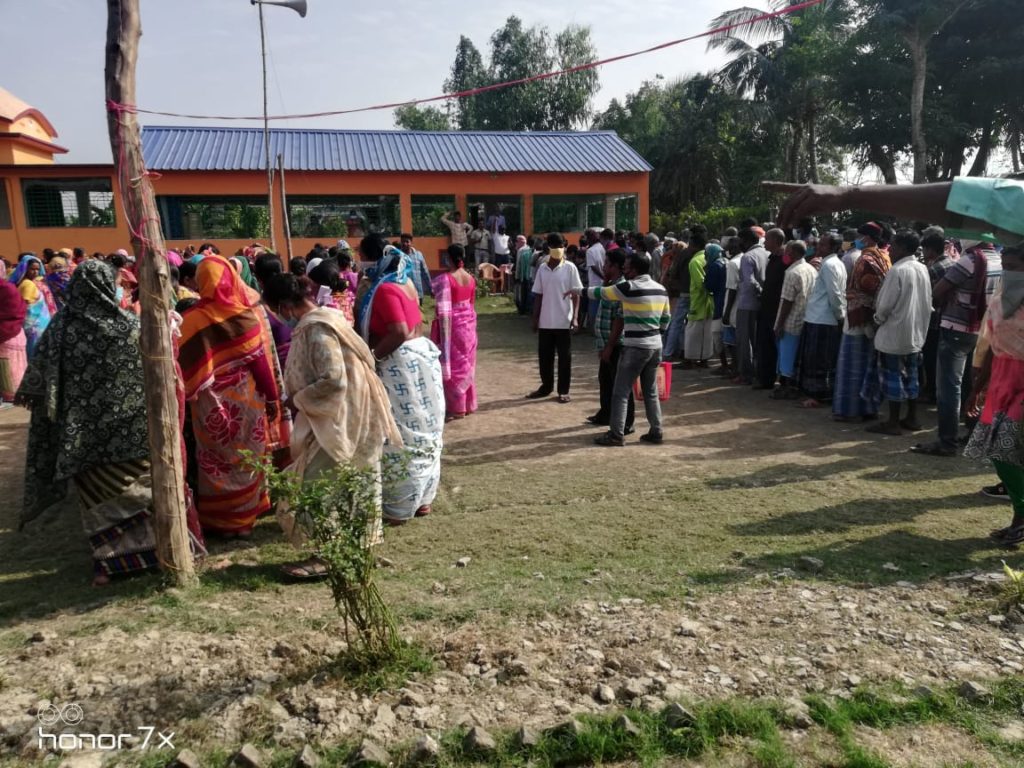
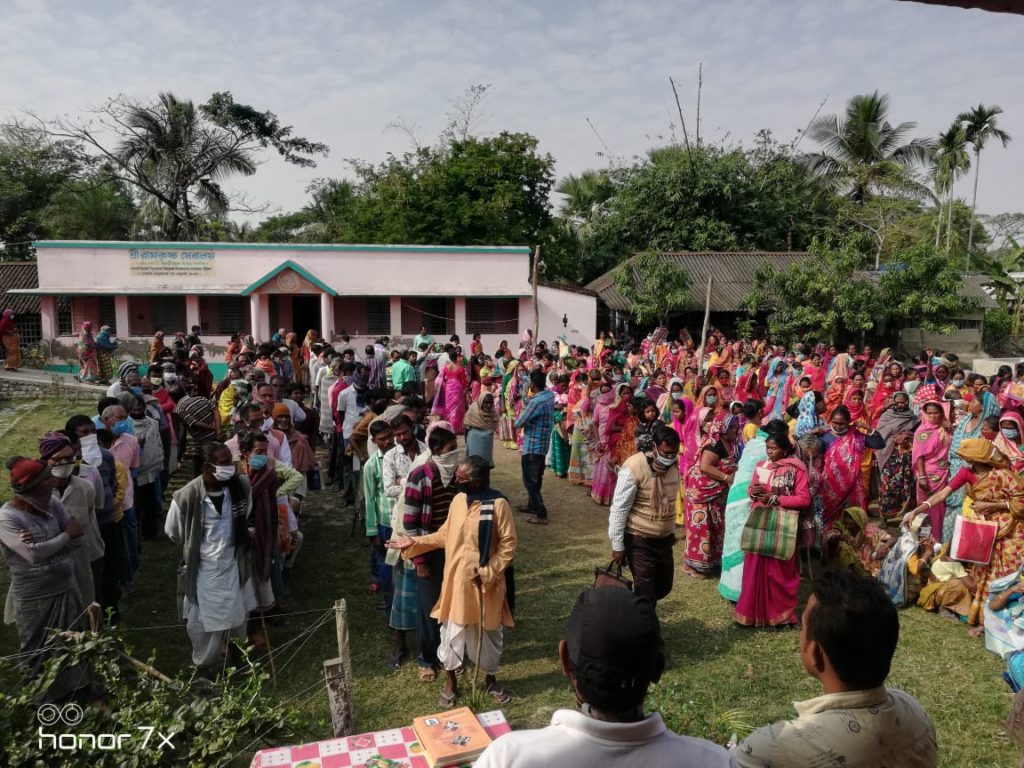
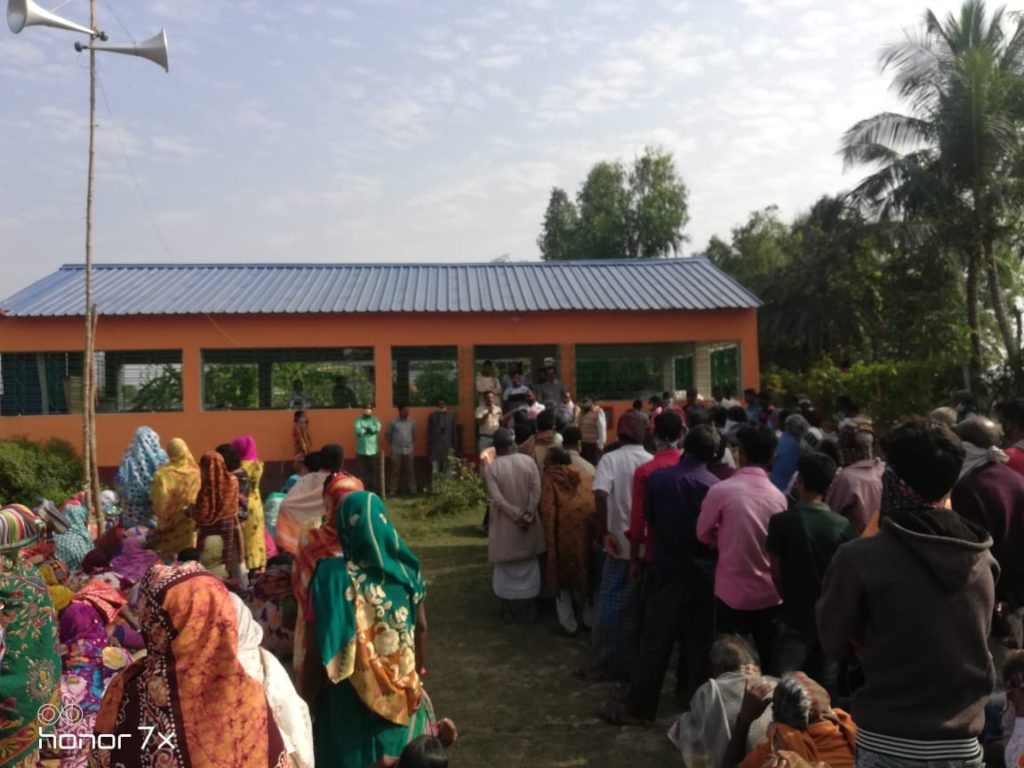
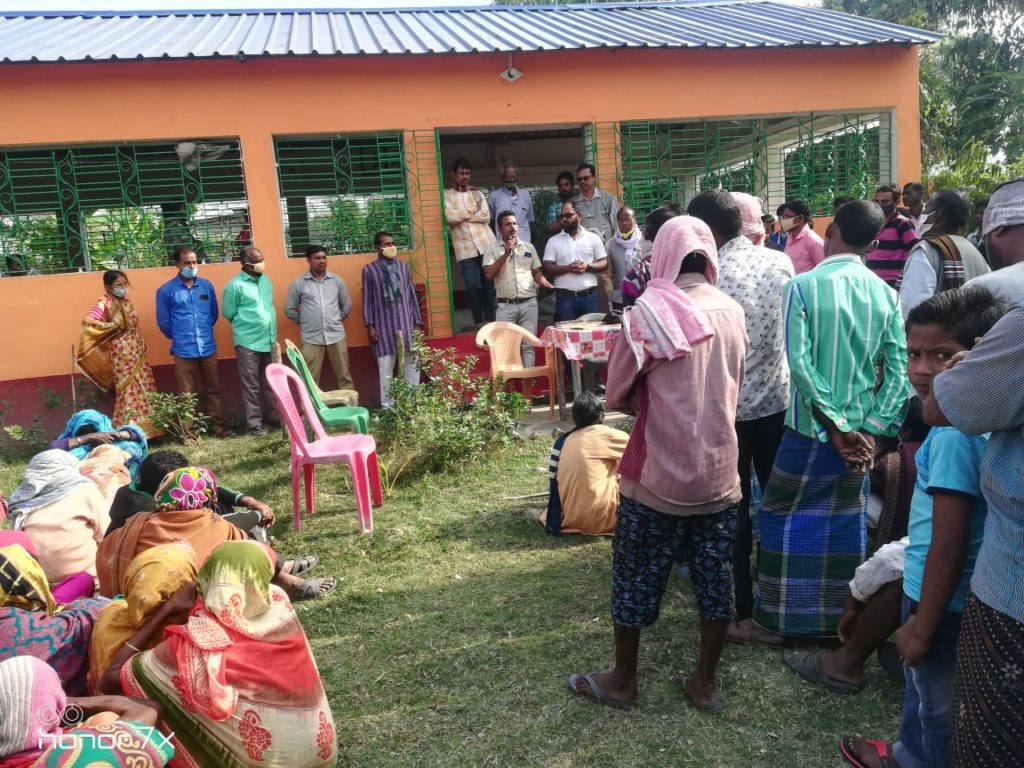
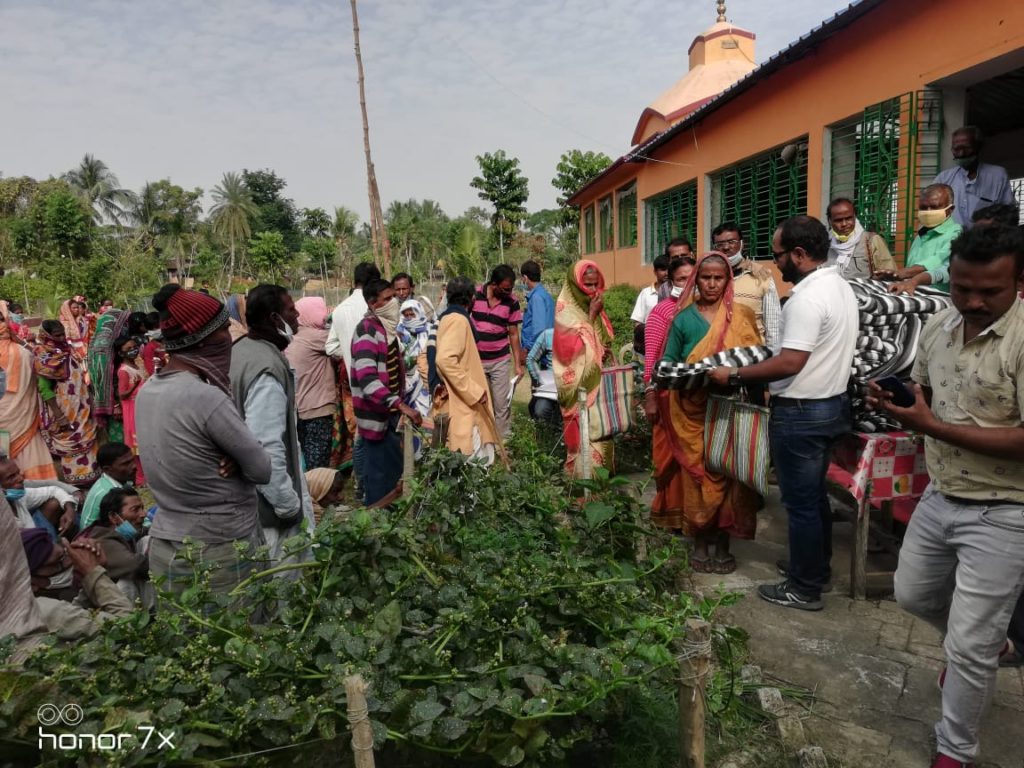
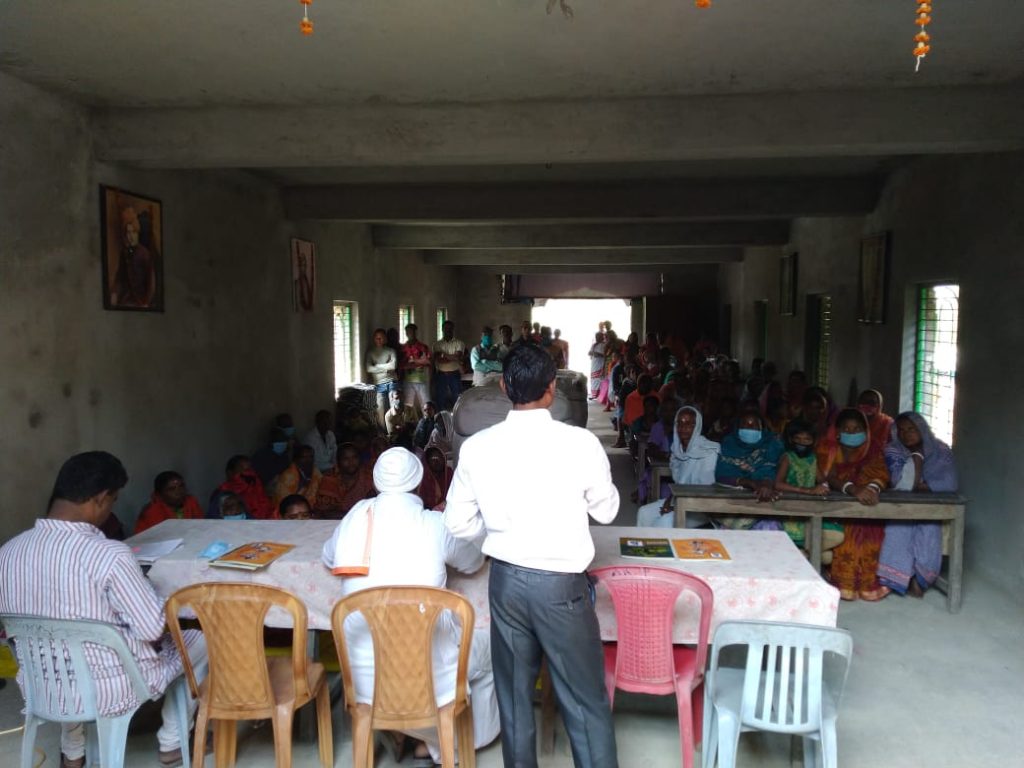
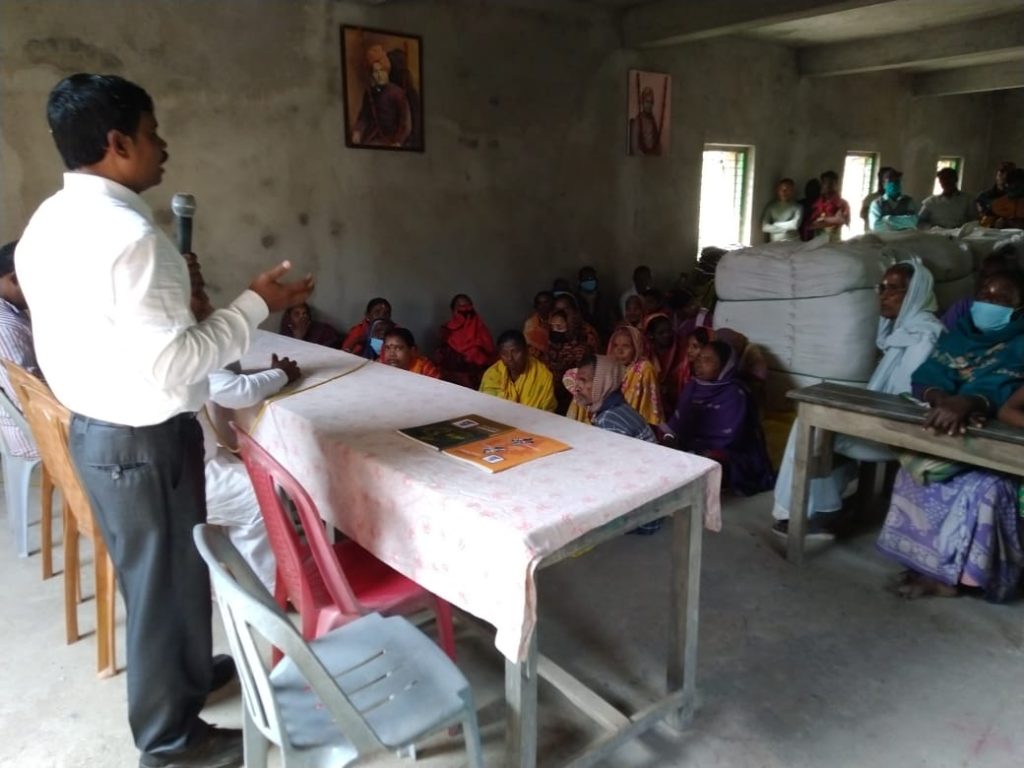
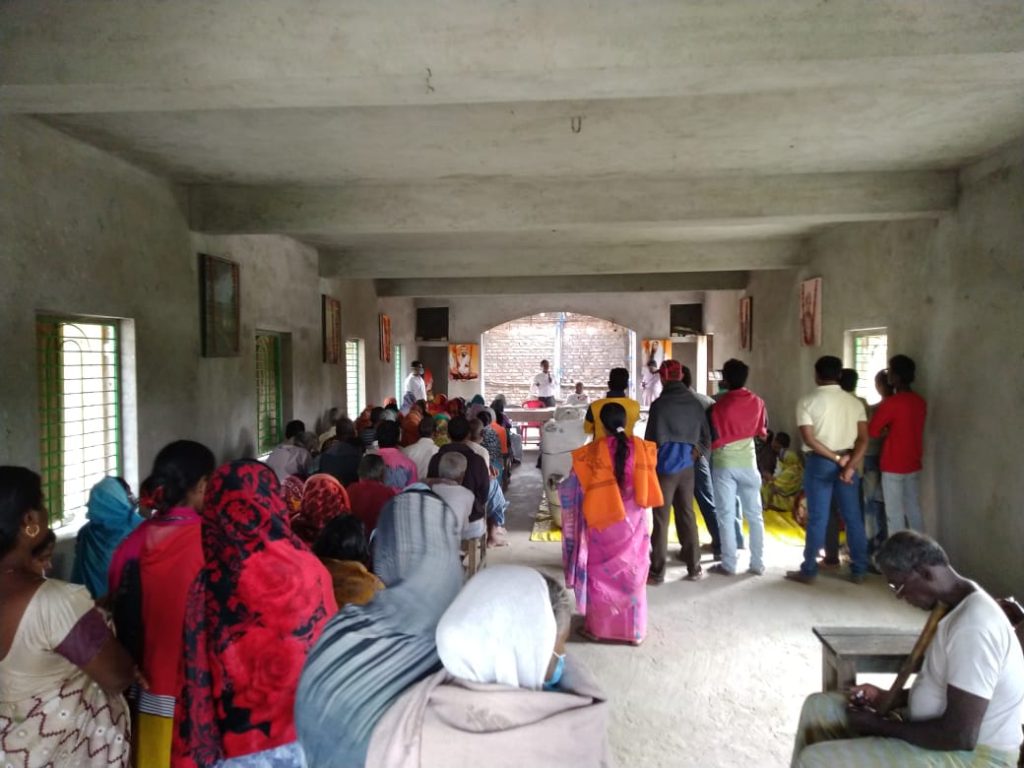
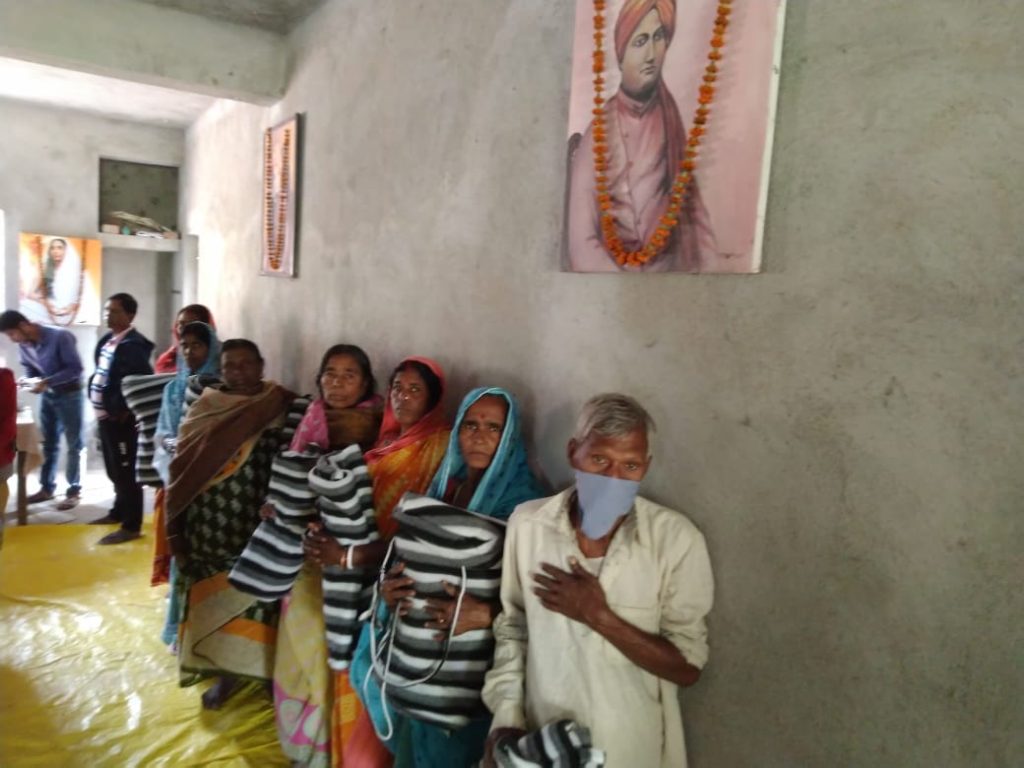
Parivaar team in Sundarbans (Winter Relief and Field Engagement)

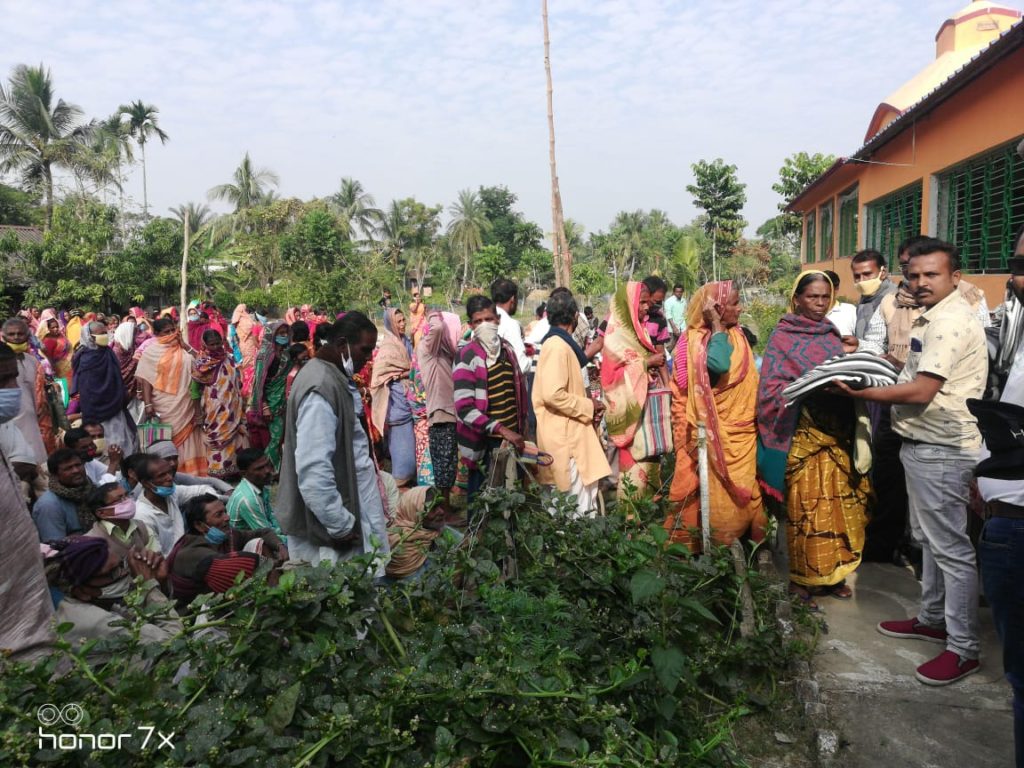
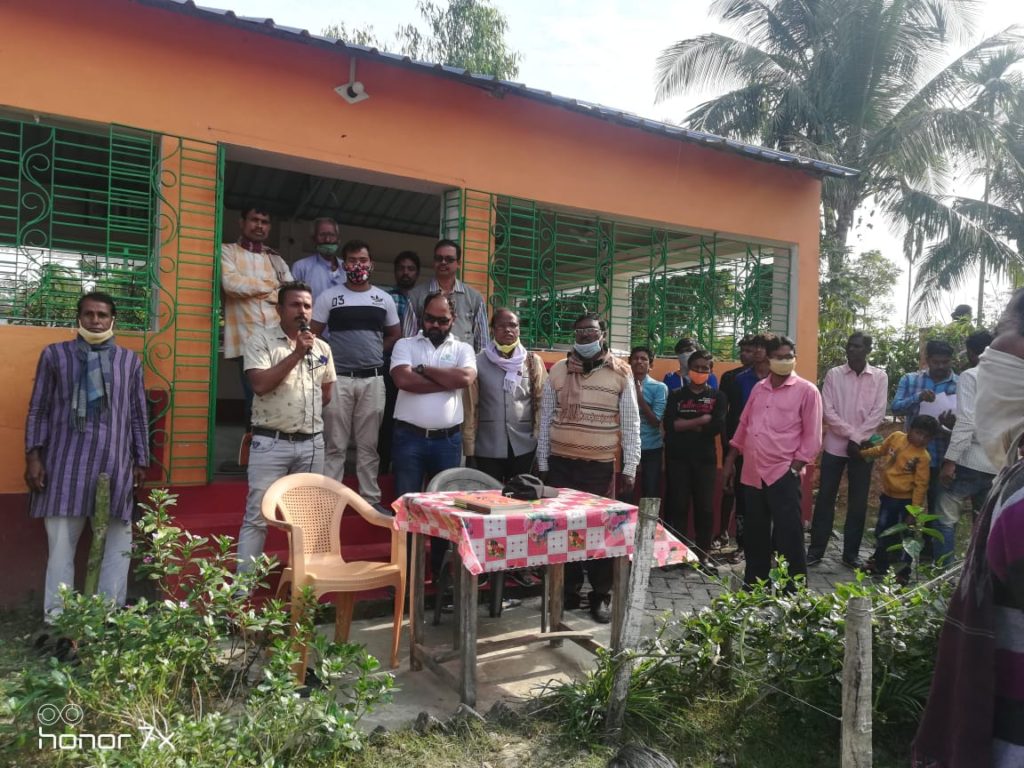
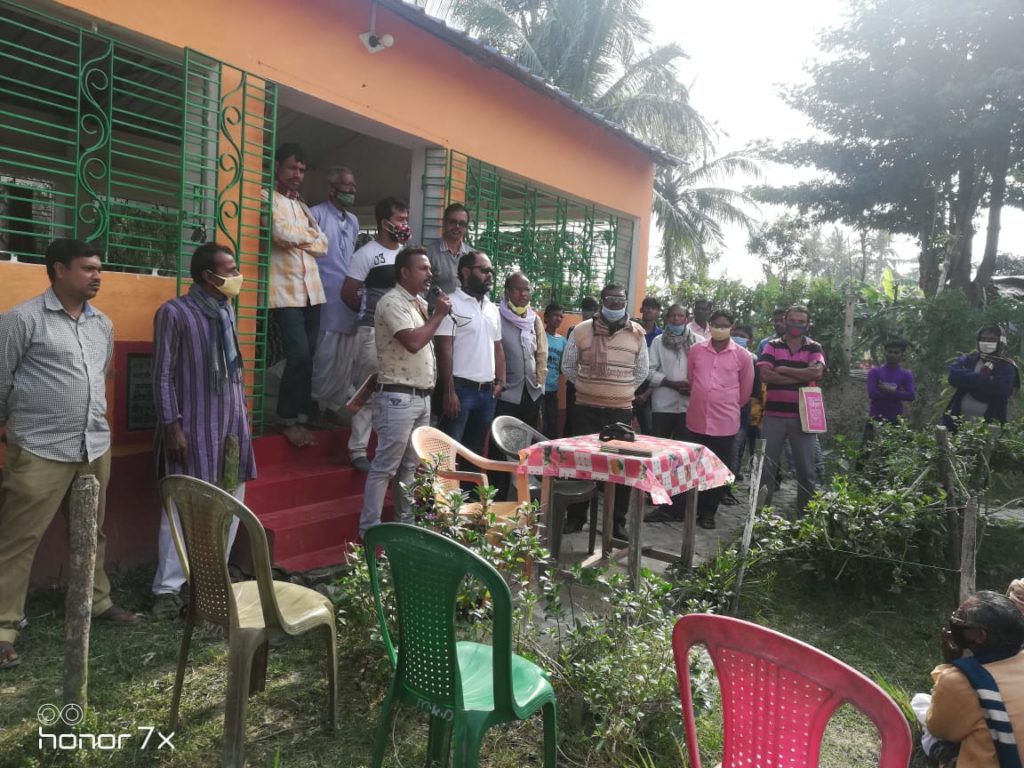
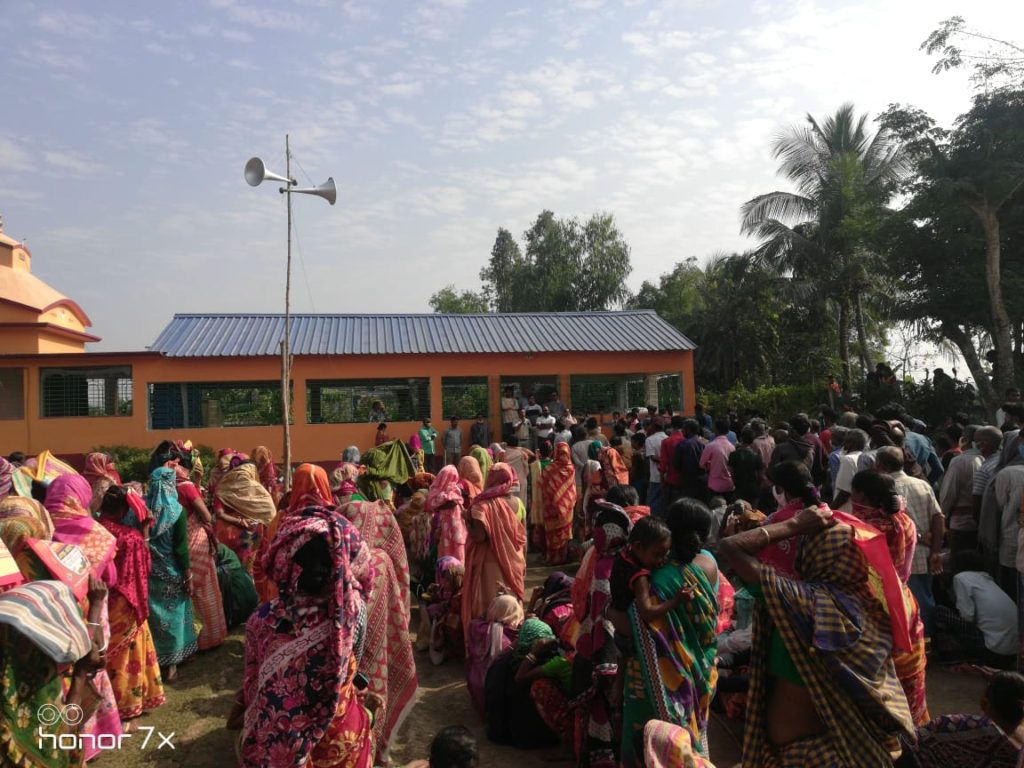
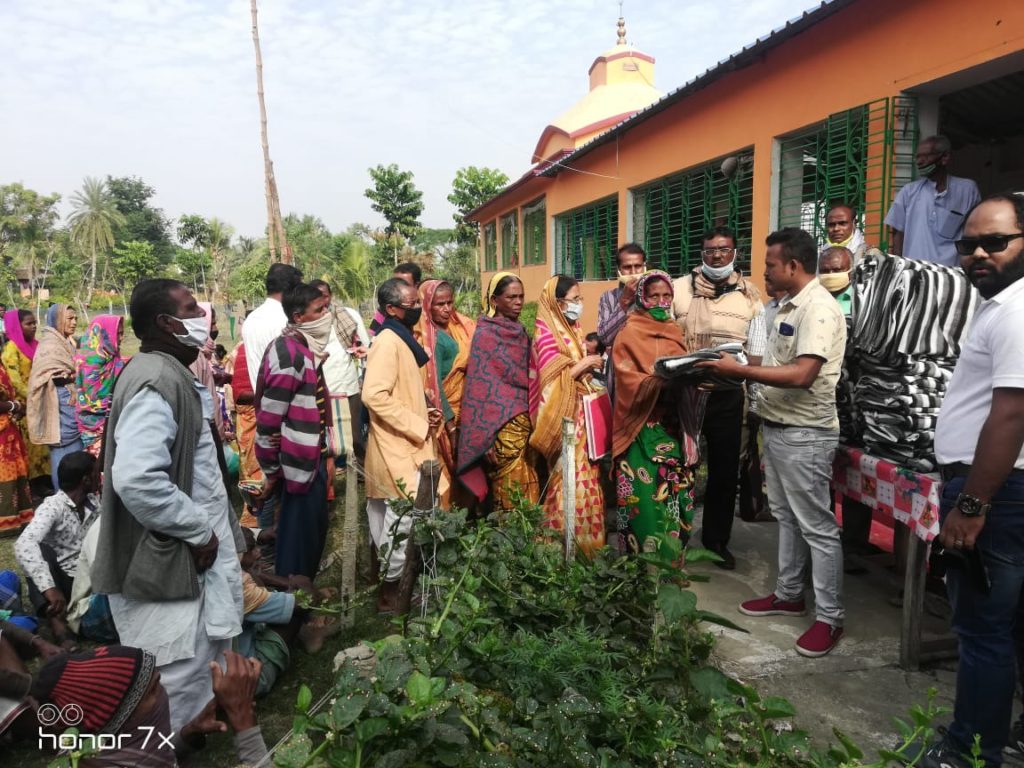
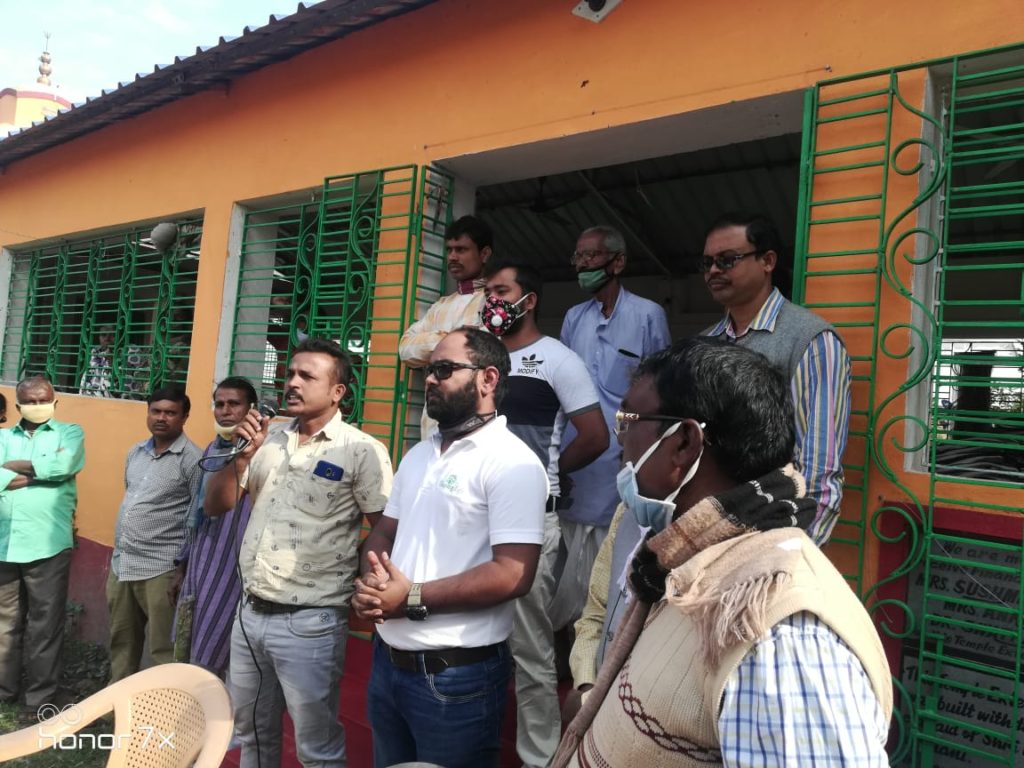
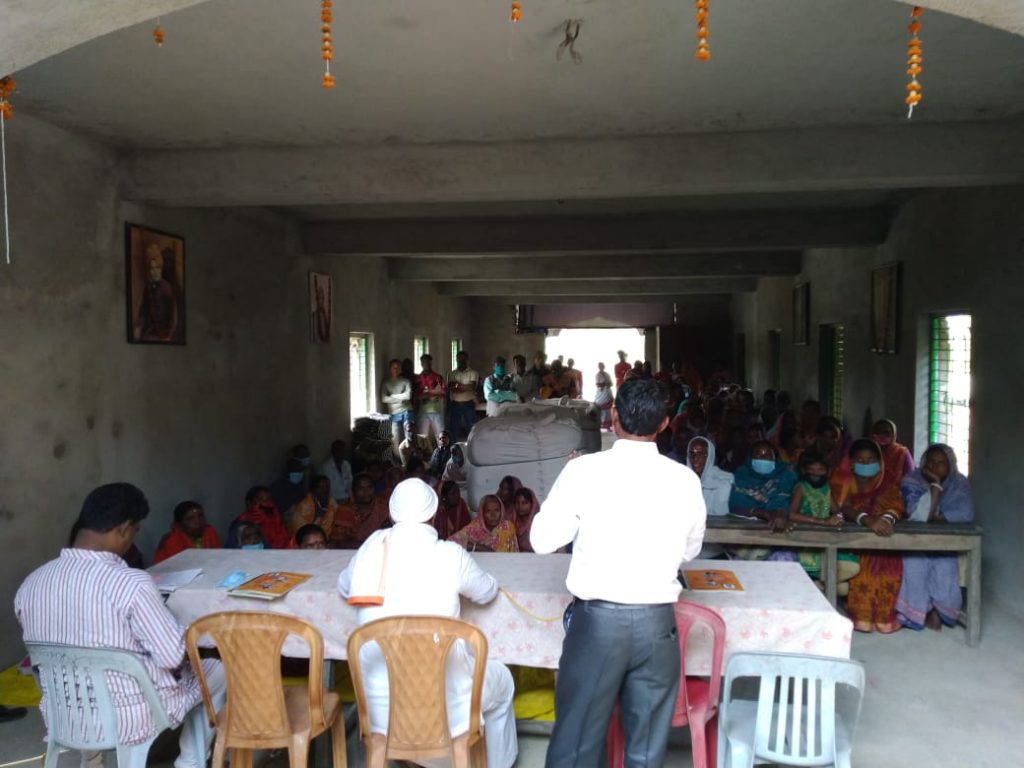
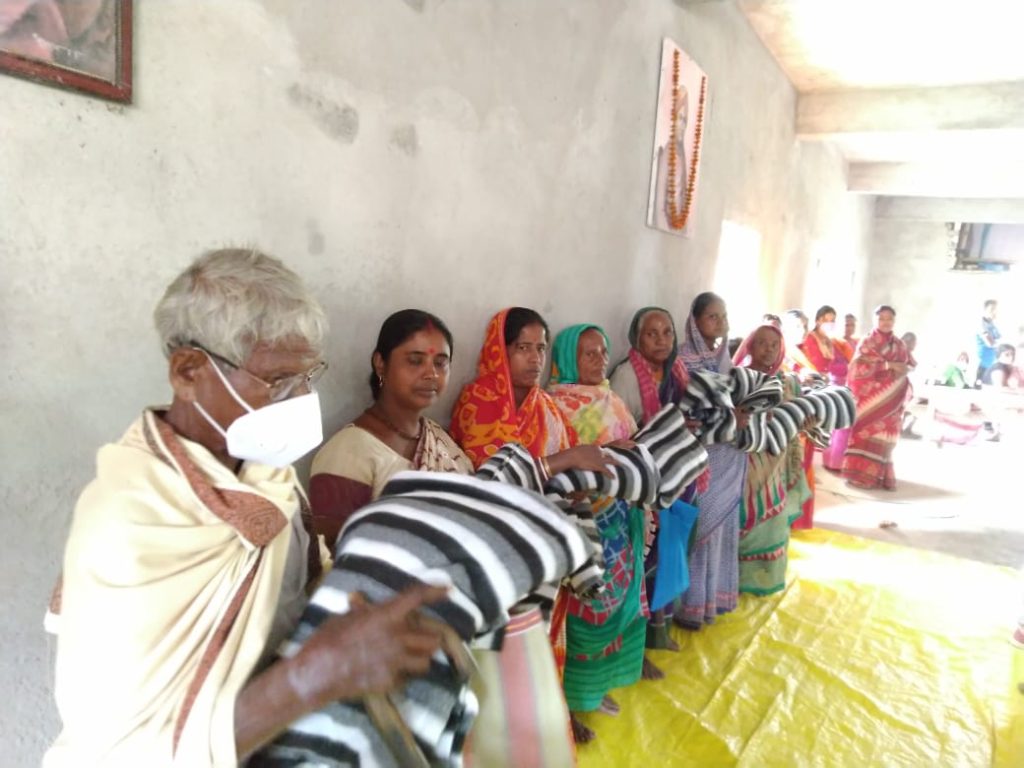
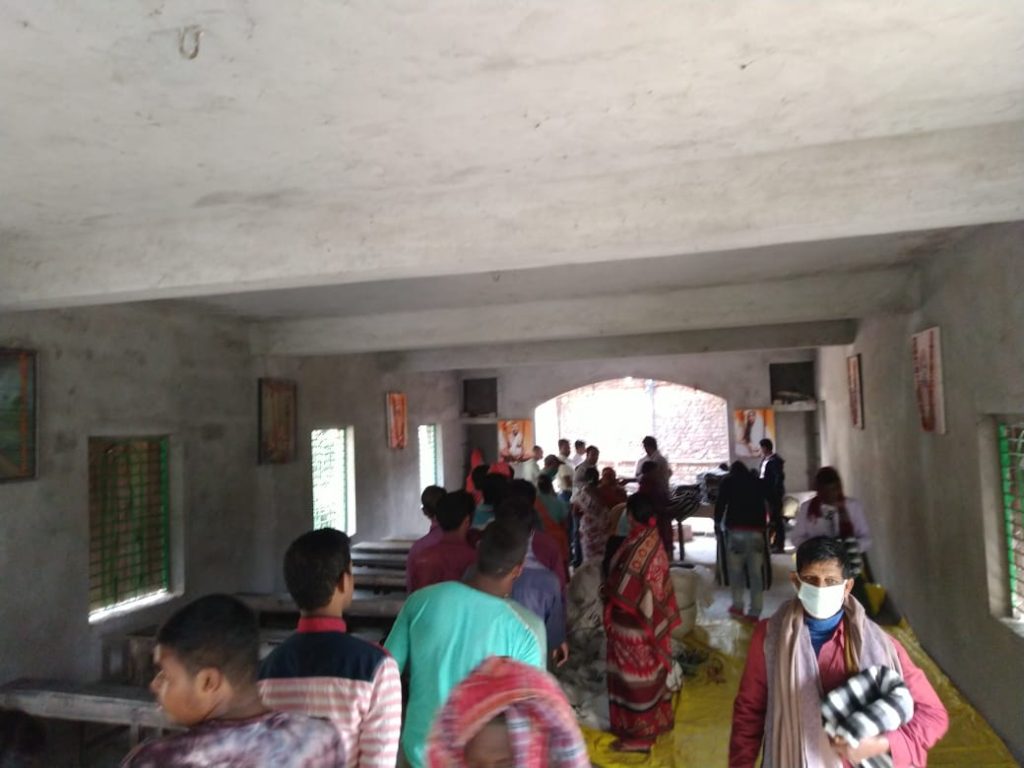
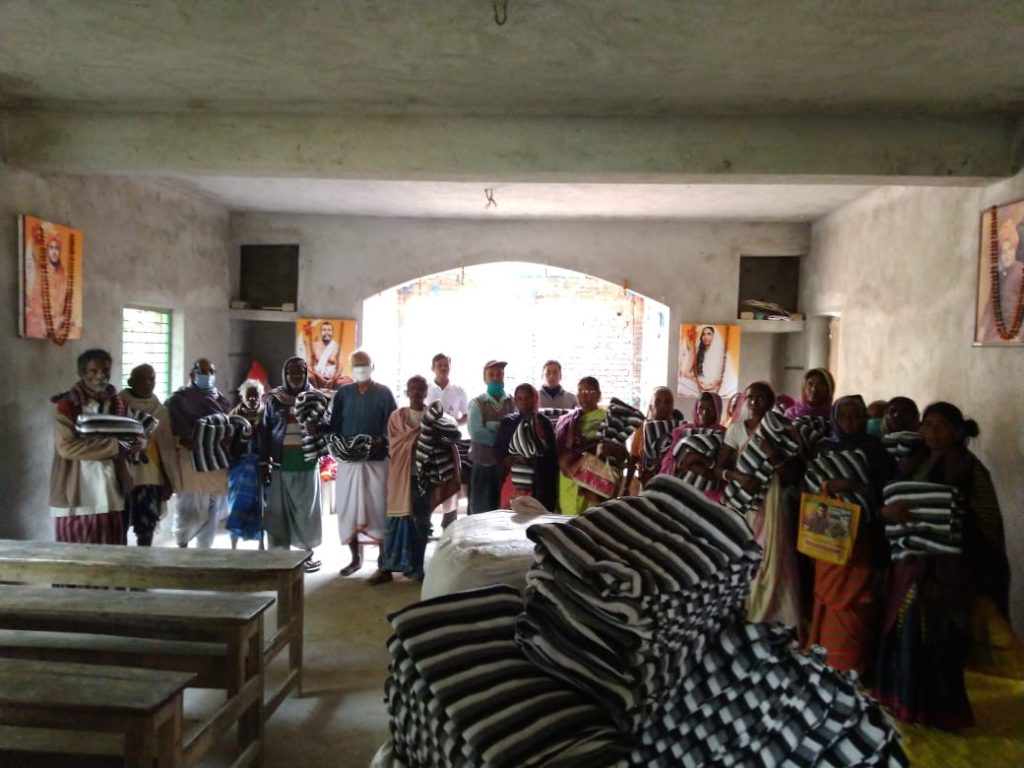
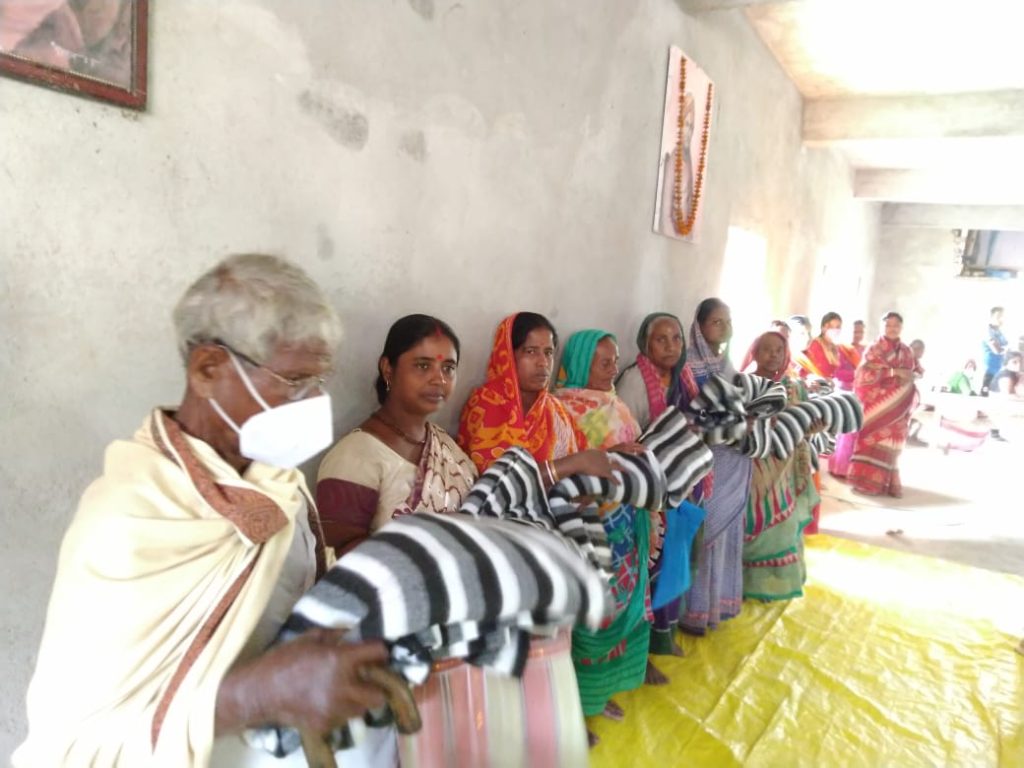
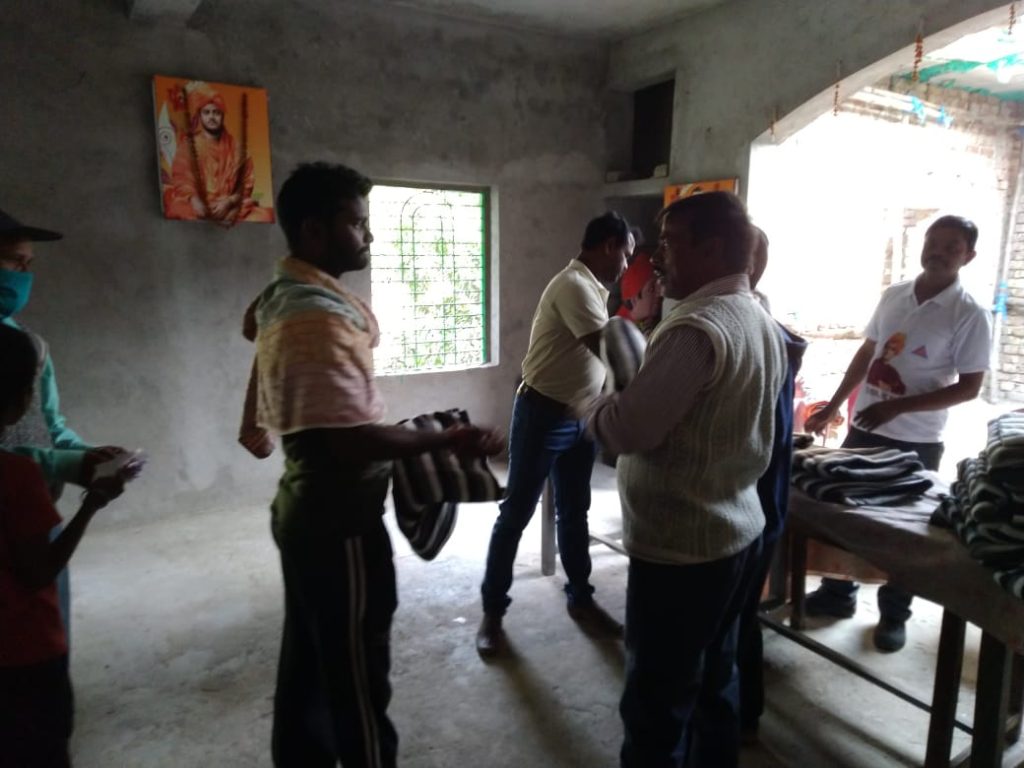
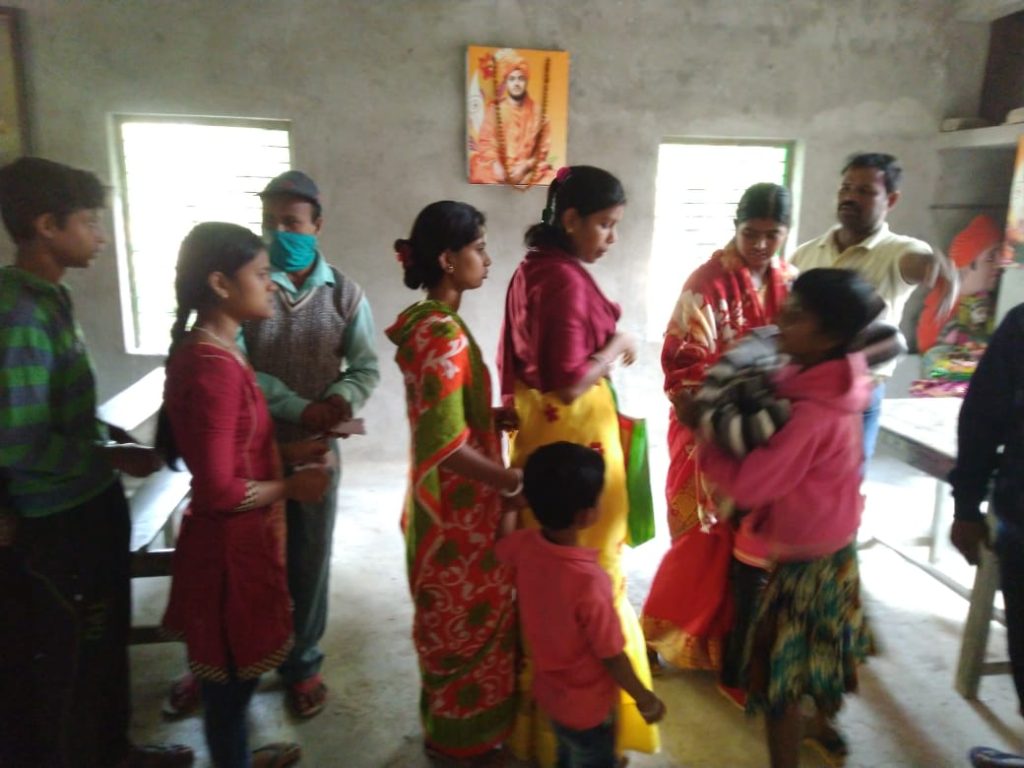
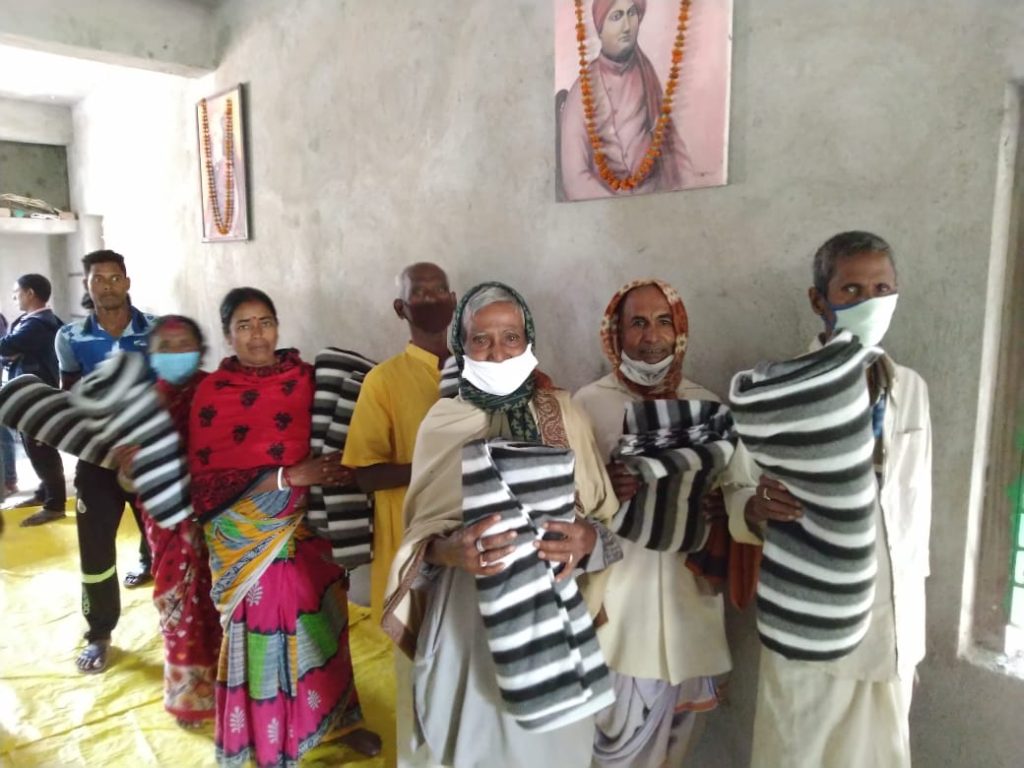
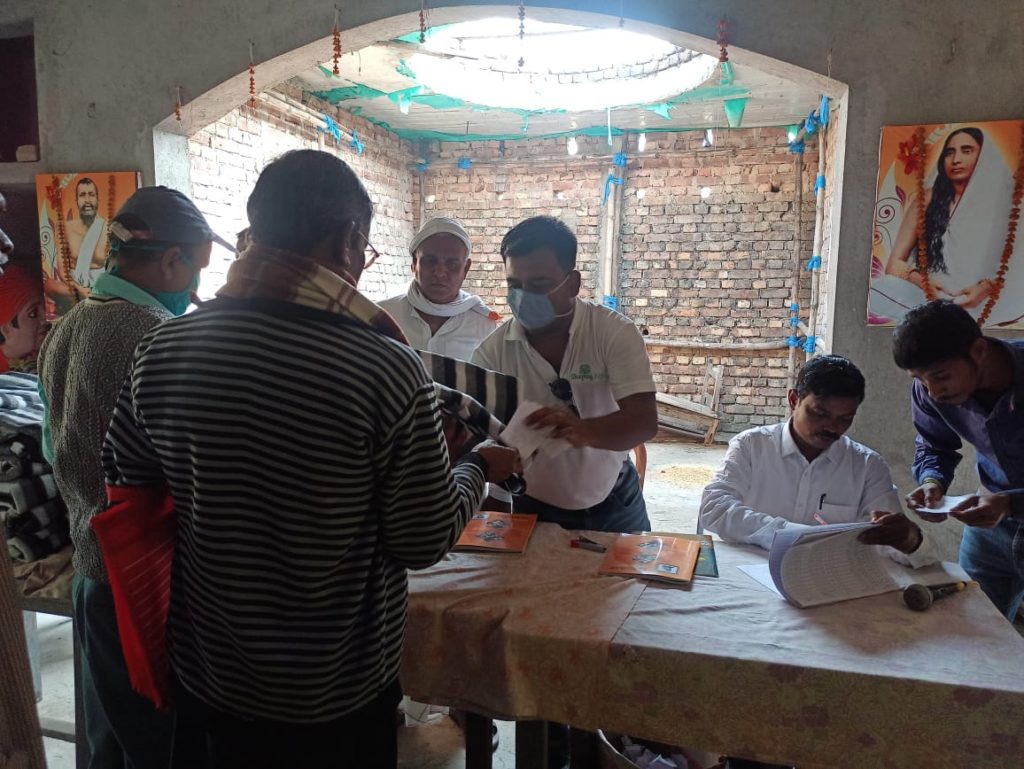
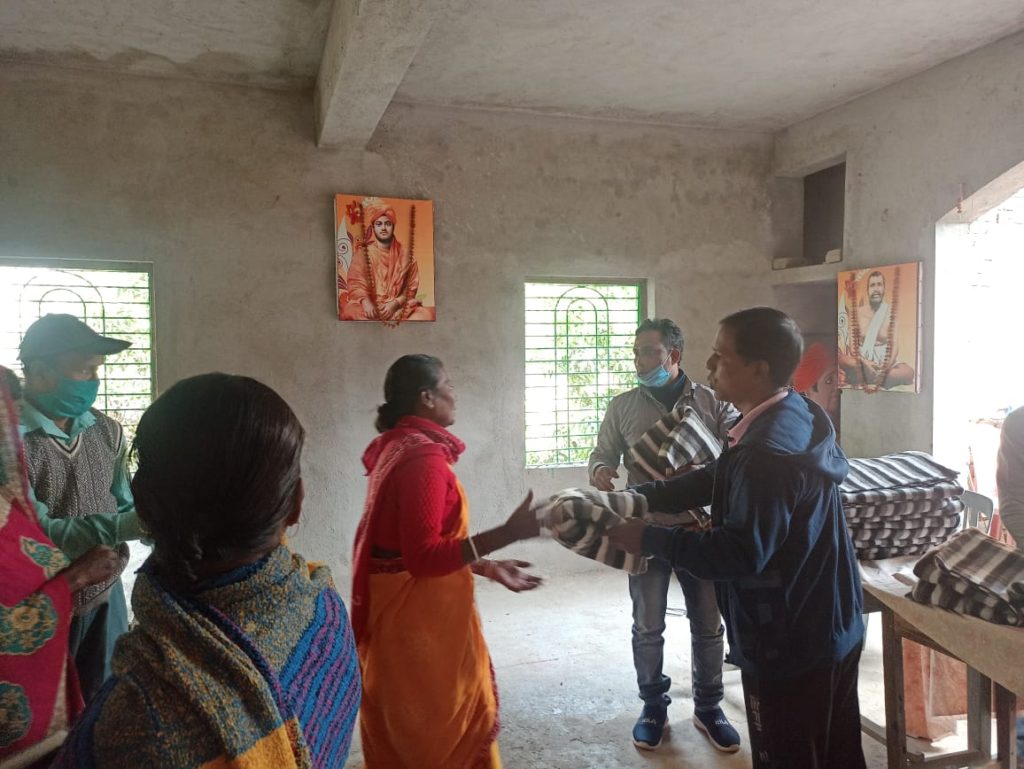
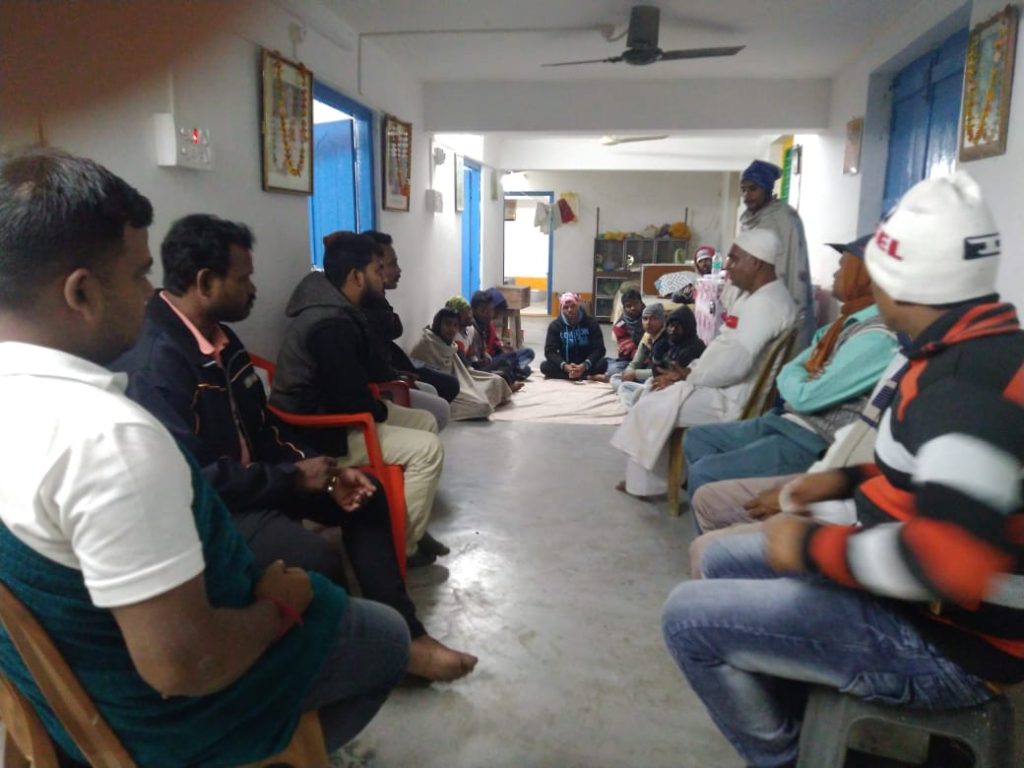
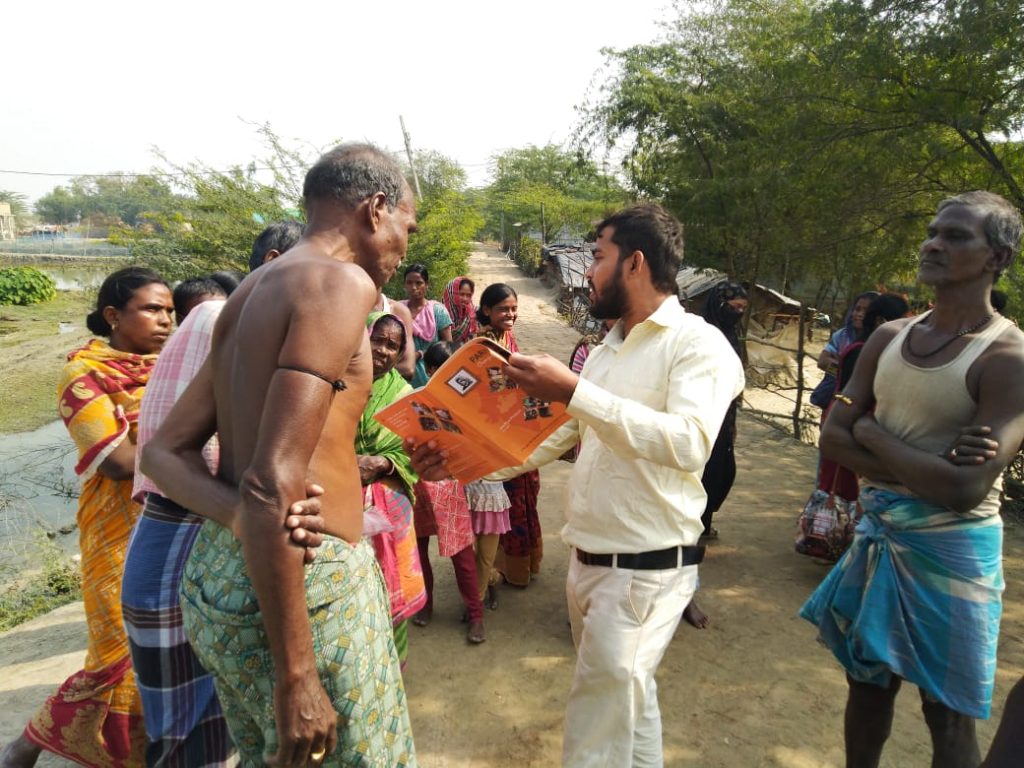
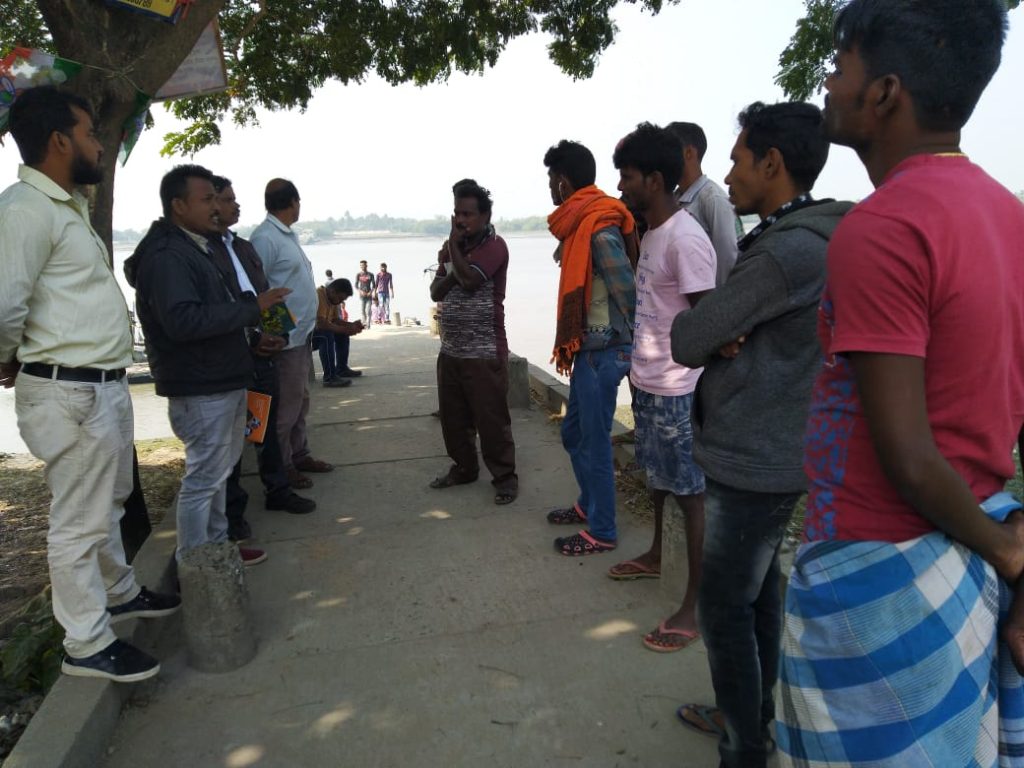
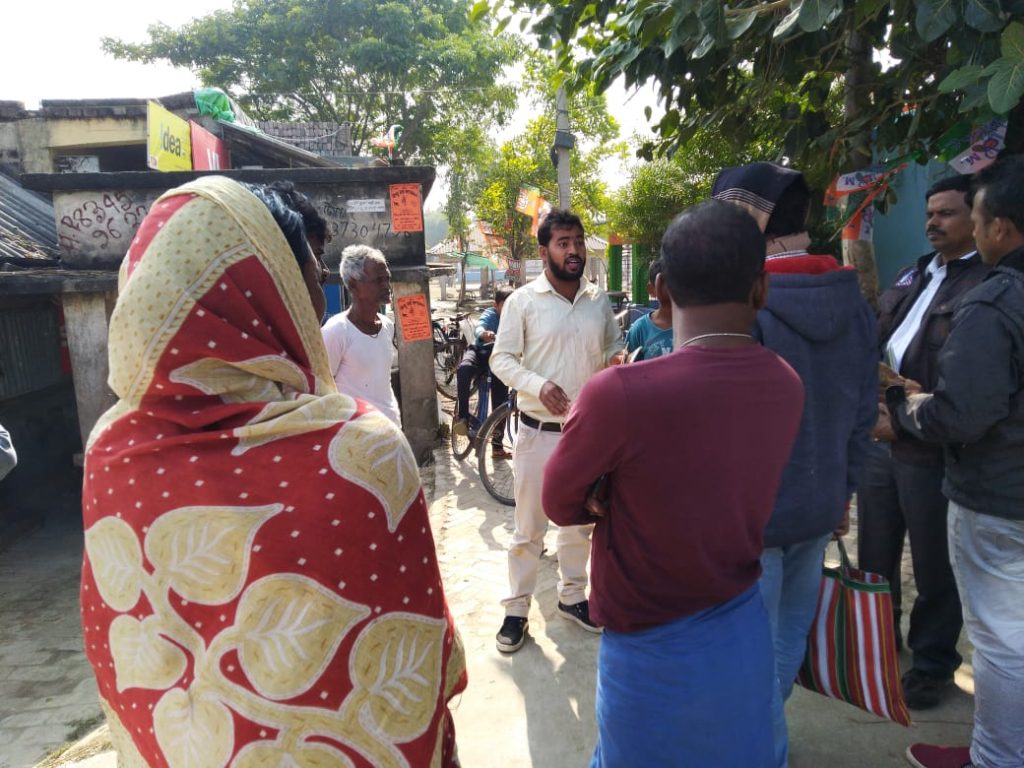
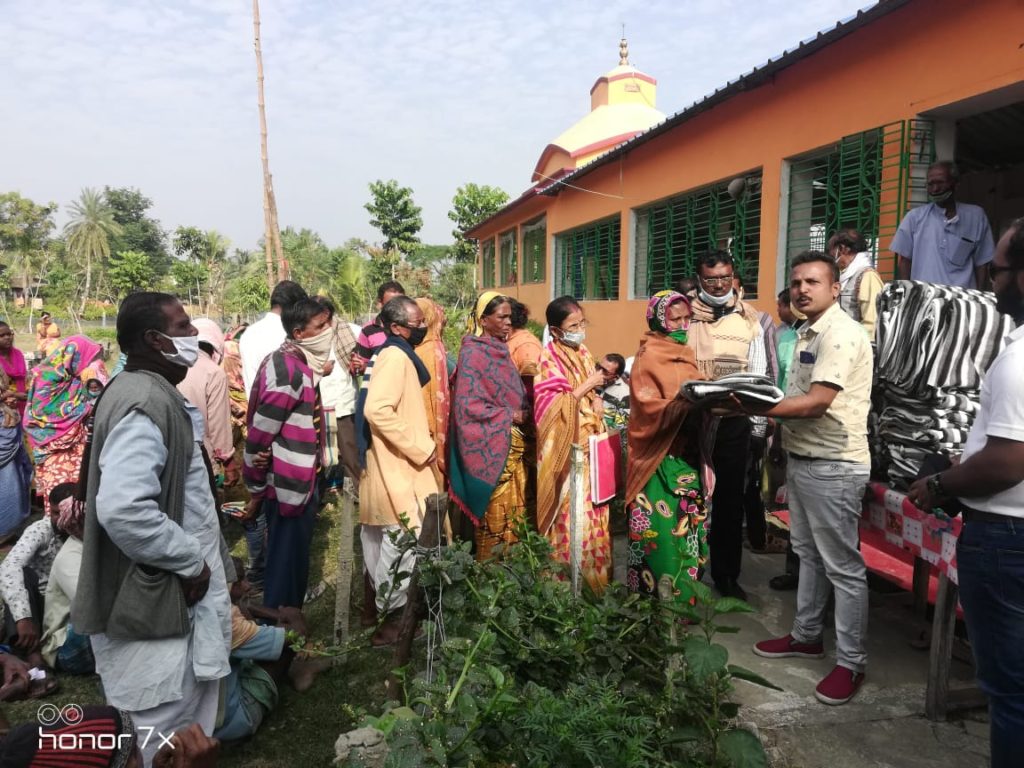
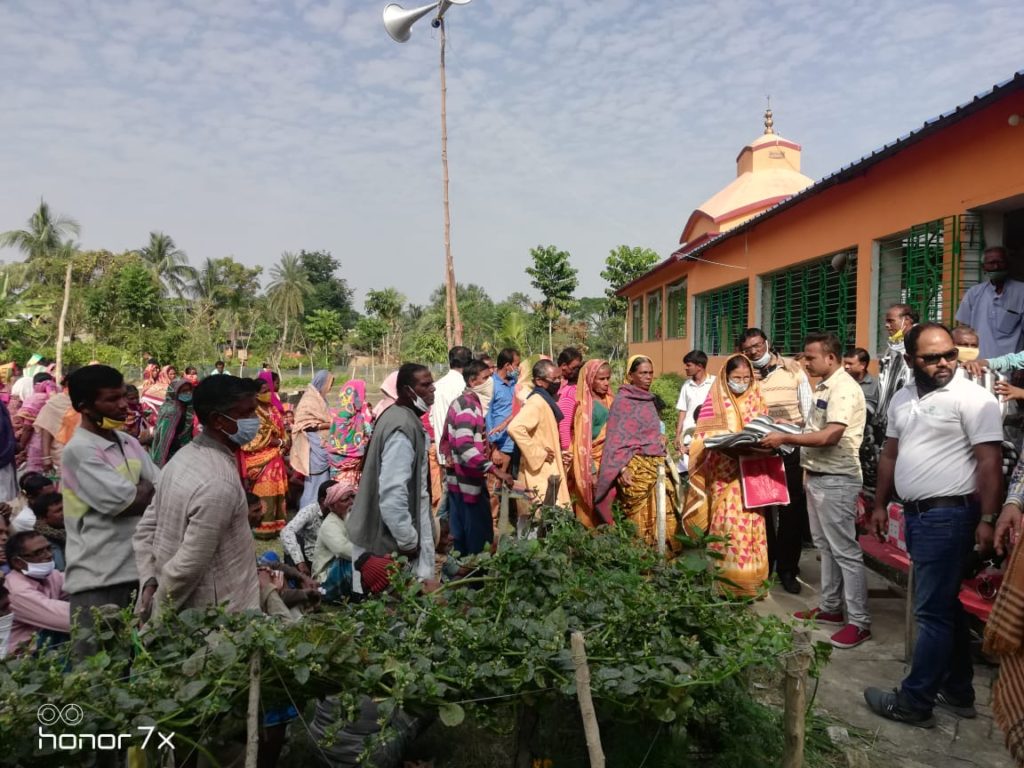
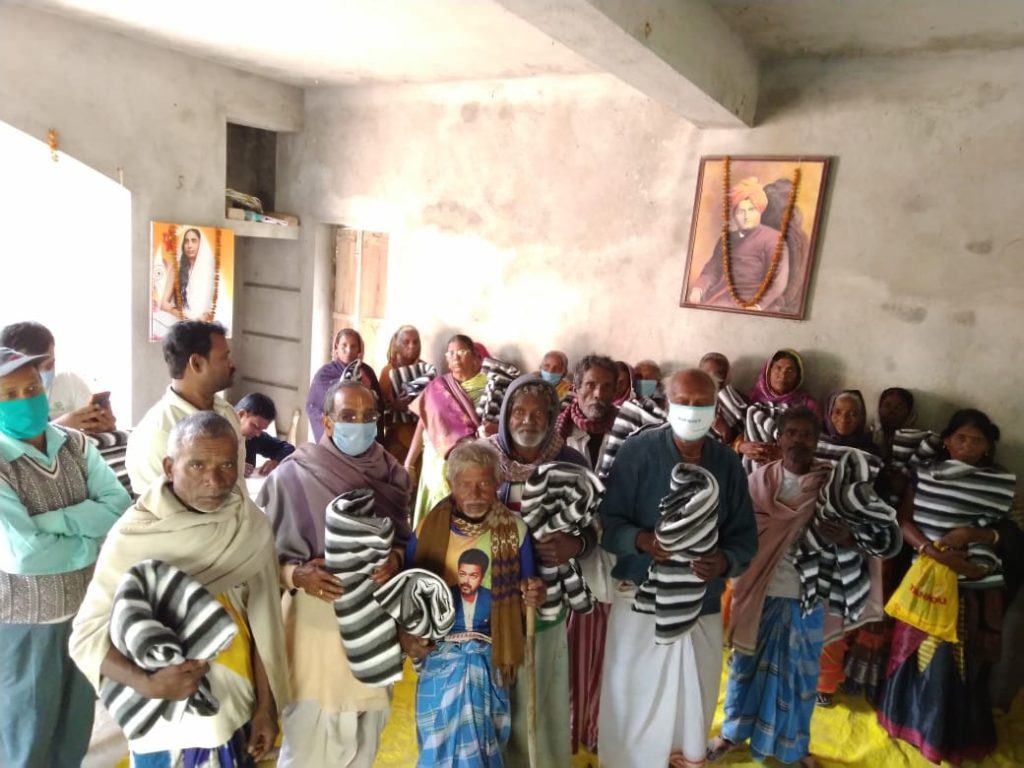
The Parivaar Bengal Sevavratee team camped in Sundarbans and visited more than a dozen villages, many of which were islands. These are the areas that lost almost everything in the Amphan earlier this year. Vulnerable elderly in the area had meticulously identified in earlier visits and blanket distribution was conducted. More than 1200 elderly were gifted warm blankets ordered from Ludhiana. Meetings were also taken by Parivaar sevavratees to take the stock of conditions and for future programs for children and youth. 


Some of the villages covered were Darirjangal, Polpara, Jamaipara, Daspara, Dokanpara, Schoolpara, Naskarpara, Sarderpara, Karnakhali, Bholakhali, Gayenpara, Singpara, Karnakhalipol.

Kicking Off the Impact Assessment Exercise by Sattva

A sample size of 1500 children from our 200 Seva Kutirs (Treatment Group) and also 500 children from non-Seva Kutir villages (Control Group) will be studied over a one-year period to see the impact that has come because of the Seva Kutirs intervention. The baseline/midline was supposed to begin in April 2020 but could not start because of COVID-19. It has now started in the last week of November and will be finished by mid-December. The endline will happen in December 2021.

Facilitating Higher Education of Children from Seva Kutirs

One of the key objectives of our work in all the poor tribal villages is that each and every child at least finishes school education. At present, more than 50% children are not able to do that, because of heavy drop outs from Class 9th onwards. So, every year, at the time of admissions, our grassroot workers (around 1100) counsel the parents and ensure that all children take admission in Class 9th. Students who were not aware of the process for taking admissions, or because of other reasons, were not keen on taking admissions, were counseled. Some of these students were also admitted in the government hostels, depending on the seat availability. A total of 1421 students across around 200 tribal villages in 5 Seva Kutir districts took admissions after our counseling, break-up of which is given below:

Extensive Field Engagement Exercise by Parivaar Bengal Sevavratees team

Starting in last week of November, Our Parivaar Bengal sevavratees are undertaking extensive survey and field engagement exercise in more than 100 villages for winter relief for elderly, new children admission in tribal areas and pockets in districts of Jhargram, Bankura, Purulia, Birbhum, the Sundarbans, and in Singhbhum area of Jharkhand. We intend to distribute blankets to 4000 elderly in deprivation in these pockets.

Collaboration with Toybank

We have partnered with Toybank (www.toybank.org), an organization working in building fun & play spaces for children from underprivileged backgrounds. During present times, they are creating PlaySheets, focusing on the behavioral and mental growth of children. They are sharing these PlaySheets with us daily which are then being shared by us with all the children of our Seva Kutirs. These PlaySheets have interesting educational activities on a wide range of areas such as languages, arithmetic, simple games etc.